A Masterwork in Baltic Timber
Tucked away in the quiet Vidzeme countryside near Cēsis, Ungurmuiža (Orellen) stands as an astonishing anomaly in European architectural history. While stone was fashionable among wealthy Baltic German nobility, Lieutenant General Balthasar von Campenhausen deliberately erected this residence using monumental slow-growth Baltic pine and oak in 1732, creating a warm, human-scaled estate completely harmonized with nature.
The 1753 Teahouse and Ancient Oak Forest
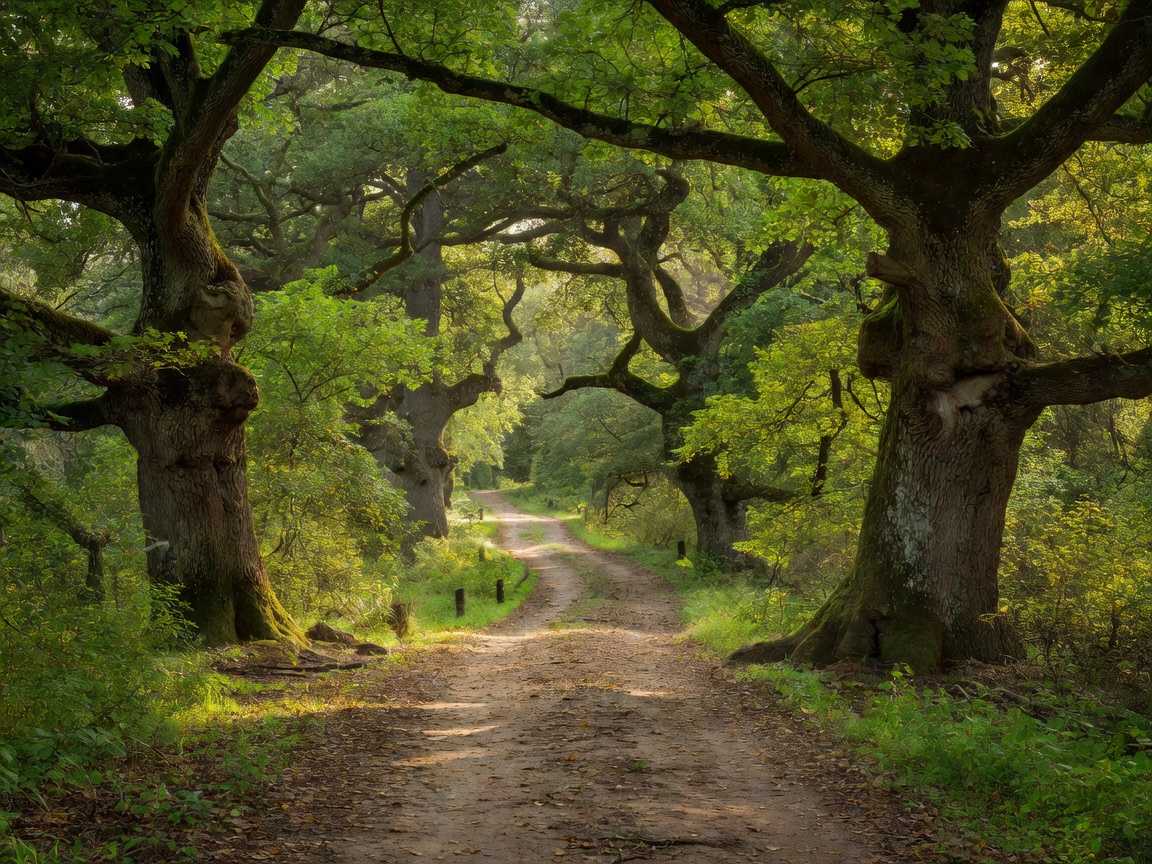
In the estate's parkland stands a unique Baroque wooden Teahouse (Tējas namiņš), built in 1753 with an octagonal roof and upper-level viewing gallery. Von Campenhausen planted hundreds of English oaks around the perimeter, which have now matured into 300-year-old giants. Walking beneath their sprawling canopies at dawn reveals the poetic stillness that inspired 18th-century Pietist philosophers.
Restoration & Architectural Preservation
Miraculously escaping destruction during both World Wars and the Soviet collective farming period, Ungurmuiža was systematically preserved by the Gauja National Park Foundation. Today, the complex functions as an intimate museum and cultural retreat, hosting candlelit classical chamber concerts in the original salon.
Visitor Essentials & Highlights
- Wall Fresco Preservation: The Grenadier portraits and allegorical biblical narratives inside the master bedchamber remain in authentic non-restored tempera condition.
- Local Herbal Teas: Visitors can sample Linden blossom and meadowsweet infusions gathered directly from the manor estate meadows.