The Clash of Two Maritime Worlds
At the northernmost tip of the Kurzeme peninsula lies Cape Kolka (Kolkasrags), a dramatic sand spit where the open waters of the Baltic Sea (Dižjūra - The Great Sea) crash violently against the gentler currents of the Gulf of Riga (Mazjūra - The Little Sea). This collision generates turbulent submerged rip tides, creating an underwater sandbank extending six kilometers out to the isolated Kolka lighthouse built upon an artificial stone islet in 1884.
The Twelve Forgotten Livonian Fishing Villages
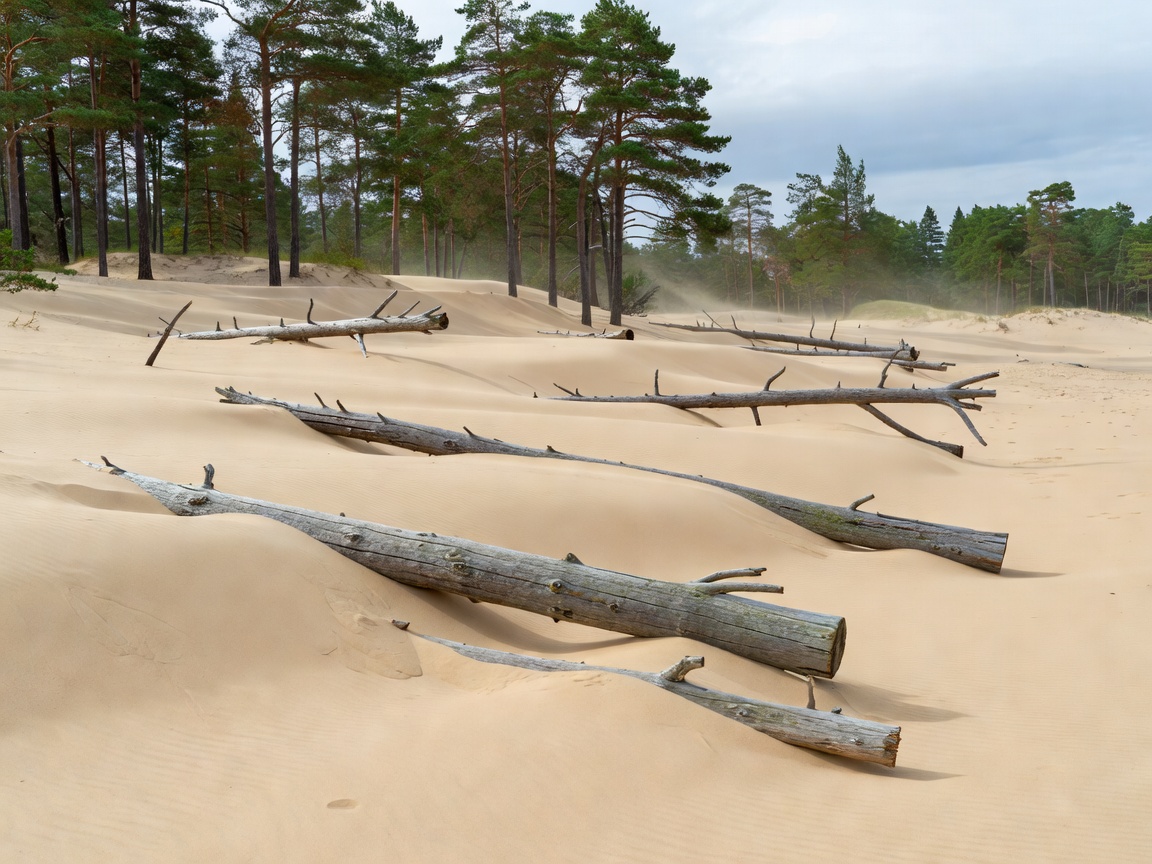
Extending along the coast from Kolka to Oviši are twelve historic hamlets—including Mazirbe, Košrags, and Pitrags. These settlements were inhabited by the Livonians (Līvlizt), an indigenous Finno-Ugric people closely related to Estonians and Finns. Their traditional wood-fenced homesteads, net-drying racks, and traditional fish-smoking huts still stand against the pine dunes.
Slītere Blue Hills & Coastal Fenlands
Directly inland from Cape Kolka lies the Slītere Ancient Sea Cliff (Zilie Kalni), an abrupt 40-meter forested ridge formed by the Baltic Ice Lake 10,000 years ago. The alternating dunes and wet swales (kangas and vigas) create micro-climates that host rare Atlantic yew trees, European ivy, and thriving populations of wild lynx and wolves.
Expedition Protocols
- Swimming Prohibition: Swimming at the point of Cape Kolka is strictly prohibited due to deadly counter-current vortexes.
- Smoked Flounder Tradition: Sample freshly caught and alder-smoked flounder (kūpinātas reņģes un brenči) directly from traditional smokehouses in Pitrags.