The Imperial Fortress Built to Repel Navies
In the late 19th century, Russian Emperor Alexander III commissioned the construction of a massive, secret naval base in Liepāja named "Port Emperor Alexander III"—known today as Karosta (War Port). Engineered by leading imperial military architects, the Northern Forts formed an extensive ring of concrete gun emplacements, subterranean gunpowder magazines, and coastal artillery casemates facing the stormy Baltic Sea.
The Explosive Demolition & Baltic Wave Erosion
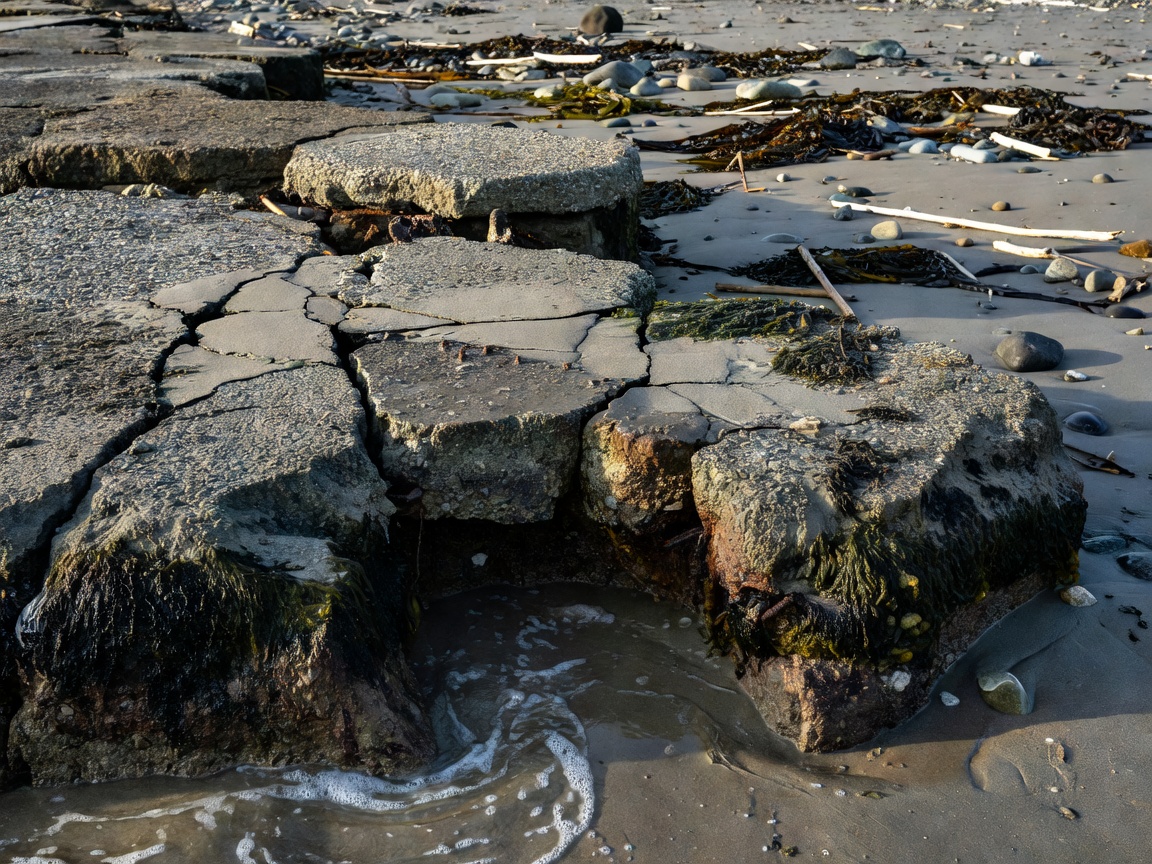
The fortress was so heavily fortified with reinforced concrete, granite blocks, and thick sand berms that even massive dynamite charges failed to obliterate the bulkheads. Instead, colossal two-story bunker sections split intact and tumbled down the beach. Over the past 115 years, unceasing Baltic wave action and winter storms have continually washed away the coastal shelf, causing the heavy concrete fortresses to slowly sink into the breaking surf.
Navigating the Tunnels & Seaside Coastline
While the exterior shoreline allows for dramatic contemplative walks at sunset, several dry subterranean tunnels link the hinterland powder caches with the seaside ruins. Visitors should proceed with high situational awareness: erosion can cause spontaneous masonry shifts, and a dependable high-lumen headlamp is mandatory for interior inspection.
Safety & Architectural Observations
- Tidal & Swell Awareness: High westerly Baltic gales can flood the lower passages within minutes. Never enter sea-level casemates during storm warnings.
- Brutalist Geometry: Note the early Russian Imperial unreinforced monolithic concrete casting techniques dating back to 1894.
- Karosta Secret Prison: Combine your visit with the infamous military detention barracks located 4 km south.